Wedding photography is one of the most rewarding yet challenging genres in the photography world. As a wedding photographer, you're not just taking pictures – you're documenting one of the most important days in a couple's life. This comprehensive guide will walk you through everything you need to know to excel in wedding photography.
1. Pre-Wedding Preparation
Success in wedding photography begins long before the big day. Proper preparation is essential to ensure you capture every important moment.
Initial Consultation
Your first meeting with the couple sets the tone for your entire working relationship. Use this time to:
- Understand their vision and expectations
- Discuss their timeline and key moments they want captured
- Learn about family dynamics and important relationships
- Review shot lists and must-have photos
- Discuss venue logistics and lighting conditions
Pro Tip
Always create a detailed timeline with the couple at least two weeks before the wedding. This helps manage expectations and ensures you don't miss any crucial moments.
Scout the Venue
Visiting the venue before the wedding day is invaluable. Take note of:
- Lighting conditions at different times of day
- Best locations for portraits and group shots
- Potential backup locations for bad weather
- Power sources for equipment
- Restrictions or rules for photographers
2. Essential Equipment
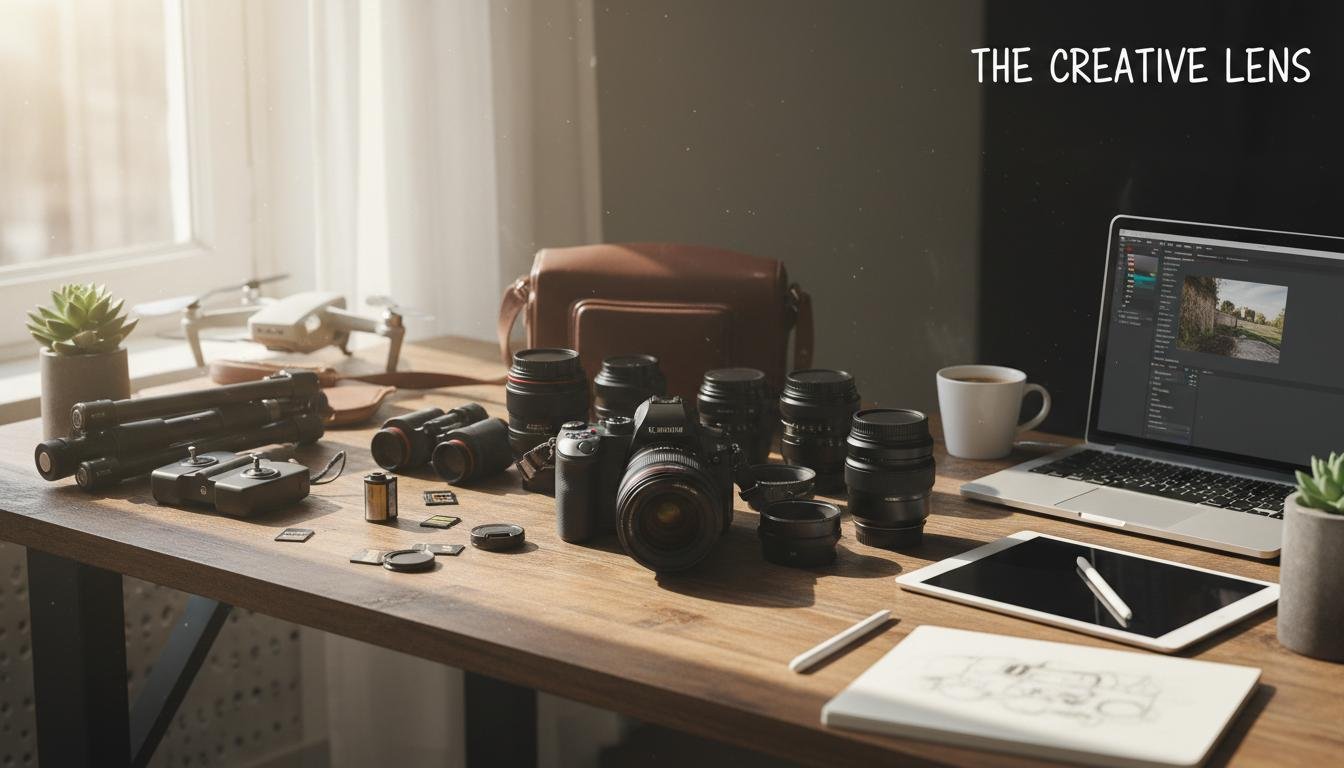
Having the right gear is crucial for wedding photography. Here's what you need in your kit:
Camera Bodies
Always bring at least two camera bodies. Weddings are once-in-a-lifetime events, and equipment failure is not an option. Your primary body should be a full-frame camera with excellent low-light performance.
Lenses
Your lens selection should cover a range of focal lengths:
- 24-70mm f/2.8: Versatile zoom for most situations
- 70-200mm f/2.8: Perfect for ceremony shots and candid moments
- 85mm f/1.4 or f/1.8: Ideal for portraits with beautiful bokeh
- 35mm f/1.4: Great for environmental portraits and tight spaces
- Macro lens: Essential for detail shots of rings and accessories
3. The Wedding Day Timeline
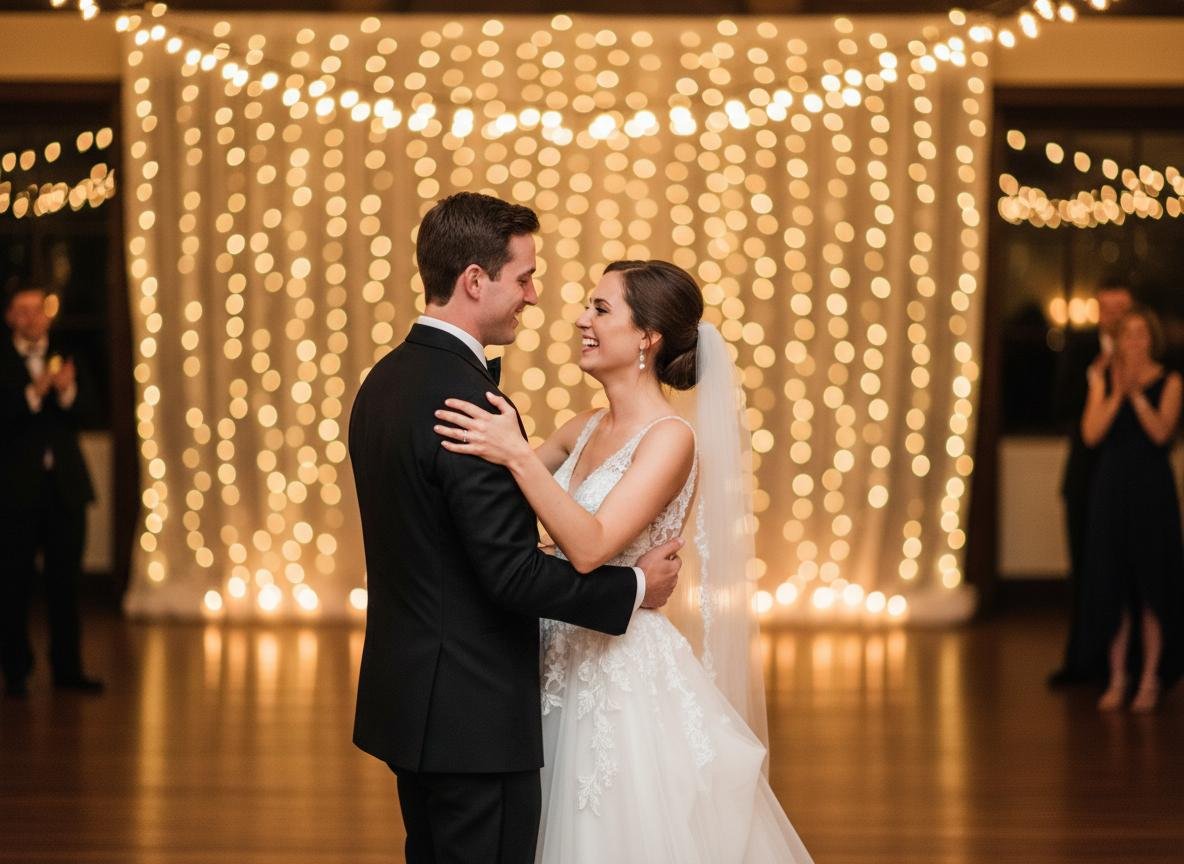
Understanding the flow of a wedding day helps you anticipate key moments and position yourself appropriately.
Getting Ready
Arrive early to capture the preparation moments. These include:
- Hair and makeup sessions
- Dress and suit details
- Candid moments between the wedding party
- Emotional first looks with parents
- The bride putting on her dress
"The best wedding photographers are invisible observers who capture authentic emotions without intruding on intimate moments." — John Smith, Lead Photographer
The Ceremony
The ceremony requires careful positioning and anticipation. Key shots include:
- Processional and recessional
- Groom's reaction to seeing the bride
- Exchange of vows and rings
- The first kiss as a married couple
- Wide shots showing the venue and guests
4. Post-Processing Workflow
Your work doesn't end when the wedding does. A efficient post-processing workflow ensures timely delivery of high-quality images.
Culling and Selection
Start by quickly going through all images and removing:
- Blurry or out-of-focus shots
- Duplicates and near-duplicates
- Test shots and accidental captures
- Images with unflattering expressions
Pro Tip
Use photo management software like Lightroom or Capture One to streamline your culling process. Keyboard shortcuts can significantly speed up your workflow.
Editing and Color Grading
Develop a consistent editing style that enhances your images while maintaining a natural look. Pay attention to:
- Exposure and contrast adjustments
- Color balance and white balance
- Skin tone correction
- Selective sharpening and noise reduction
- Cropping and straightening
5. Client Delivery and Follow-up
The final step is delivering your work in a professional manner that exceeds client expectations.
Gallery Presentation
Create an beautiful online gallery that makes it easy for clients to:
- View and share their photos
- Download high-resolution images
- Order prints and albums
- Favorite their preferred images
Remember, wedding photography is as much about people skills as it is about technical expertise. Building rapport with your clients, staying calm under pressure, and adapting to unexpected situations are all crucial skills that will set you apart in this competitive field.